Scott 3200A Tailwheel – Fully Rebuilt: Professional Replacement for Compatible Aircraft
Scott 3200A Tailwheel – Fully Rebuilt: Professional Replacement for Compatible Aircraft
Blog Article
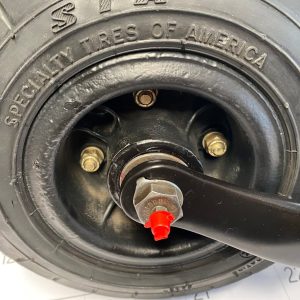
The Scott 3200A Tailwheel – Fully Rebuilt gives click here operators an alternative to an unknown used assembly when the rebuild process, component condition, and package contents are documented clearly. Clear rebuild records help aircraft owners and maintenance professionals evaluate the tailwheel before installation.
A Scott 3200A Tailwheel Assembly can contribute to controlled taxiing, parking, takeoff alignment, landing rollout, and maneuvering in confined ramp areas. A Scott Tailwheel Assembly should be evaluated as a complete mechanical system rather than judged only by its tire, fork, paint, or visible exterior hardware.
An Aircraft Tailwheel Assembly experiences vertical loads, side forces, vibration, steering input, and occasional impact during routine service. The General Aviation Tailwheel should receive maintenance based on actual use, operating surface, contamination exposure, and observed condition.
Whether the requirement is an Aircraft Tailwheel, Taildragger Tailwheel, Aviation Tailwheel System, or Tailwheel Steering Assembly, exact compatibility should guide the purchase.
Exploring the Scott 3200 Tailwheel Design
The assembly can respond to normal steering input while allowing broader movement when its internal mechanism releases appropriately. Poor ground handling can result from issues outside the tailwheel, including incorrect chain tension, fatigued springs, loose mounting hardware, bent tail springs, or misalignment.
Scott 3200A Tailwheel Assembly Features
Suitable internal clearances and secure steering components contribute to consistent performance. Reusable parts may remain acceptable when they pass inspection, while worn or damaged components should be replaced appropriately.
Scott Tailwheel Reliability and Condition
Final adjustment and functional testing should confirm that the Scott Tailwheel Assembly operates consistently. Buyers should distinguish between cleaned, serviced, repaired, inspected, overhauled, and fully rebuilt descriptions.
Aircraft Tailwheel Assembly Benefits
The assembly carries tail weight while managing runway irregularities, side loads, repeated landing cycles, and directional forces. Weak, broken, or mismatched steering springs may reduce directional response or create irregular control.
General Aviation Tailwheel Applications
A General Aviation Tailwheel may operate from paved airports, grass runways, gravel strips, private fields, dirt airstrips, and backcountry locations. Training aircraft may accumulate frequent taxi and landing cycles, while bush airplanes may experience greater surface irregularity and impact loading.
Aircraft Tailwheel Ground Handling
The assembly remains part of a complete ground-handling system that also includes rudder control, brakes, main gear, and pilot technique. The wheel should rotate smoothly without excessive side play, roughness, binding, or abnormal drag.
Maintaining a Taildragger Tailwheel
The Taildragger Tailwheel should be treated as an important ground-control component rather than a minor accessory. Repeated hard pivoting can increase wear on the tire, bearings, springs, steering arms, fork, and mounting hardware.
Maintaining an Aviation Tailwheel System
A complete inspection helps avoid unnecessary replacement and repeated troubleshooting. Left and right steering connections should be inspected for matching condition and correct installation.
Benefits of a Tailwheel Steering Assembly
Springs, pawls, bushings, bearings, steering arms, and internal contact surfaces can influence steering response. The mechanism should not interfere with surrounding structure, chains, springs, fairings, or nearby aircraft components.
Choosing a Ground Handling Tailwheel
Reliable ground handling begins with a serviceable assembly and a correctly adjusted installation. Responsible ground movement protects the Aircraft Ground Handling Tailwheel and surrounding structure.
Scott 3200 Tailwheel Applications
Its established design supports servicing, adjustment, rebuilding, and parts replacement by knowledgeable aviation professionals. Different Scott 3200 variants, later manufacturing versions, replacement parts, and modified assemblies may exist.
Heavy-Duty Aircraft Tailwheel Applications
A Heavy-Duty Aircraft Tailwheel may be considered for utility, bush, training, agricultural, work-oriented, or backcountry aircraft exposed to demanding ground use. Preventive maintenance supports reliable Heavy-Duty Aircraft Tailwheel operation.
Choosing Tailwheel Aircraft Parts
Tailwheel Aircraft Parts may include wheels, tires, bearings, axles, forks, steering arms, springs, pawls, bushings, seals, chains, bolts, and mounting hardware. Small wear items can have a significant influence on steering performance and service life.
Aircraft Tailwheel Directional Control
The assembly should respond without excessive delay, harsh engagement, binding, or uncontrolled movement. Maintenance personnel should inspect steering arms, springs, chains, fork structure, wheel condition, and mounting points after significant events.
Buying a Replacement Aircraft Tailwheel
Correct identification reduces compatibility problems, return costs, and installation delays. Qualified personnel should verify condition, completeness, and installation suitability.
General Aviation Landing Gear Parts
General Aviation Landing Gear Parts include tailwheels, nose gear components, main gear assemblies, wheels, tires, brakes, bearings, springs, steering parts, and mounting hardware. Transparent descriptions support trust among aircraft owners, sellers, and maintenance professionals.
Rebuilt Tailwheel Buying Checklist
The buyer should request enough information for a qualified maintenance professional to review the assembly before purchase.
- Request photographs of the front, rear, sides, wheel, fork, steering arms, mounting area, identification marks, and loose components.
- Do not treat clean paint, fresh grease, or bright hardware as proof of a complete mechanical rebuild.
- Require packaging that protects the wheel, fork, steering arms, mounting surfaces, fittings, and loose hardware from impact and movement.
Scott Tailwheel Fitment and Adjustment
The aircraft should be supported safely while the existing assembly, tail spring, steering links, mounting bolts, and surrounding structure are inspected. Wheel rotation should remain smooth and centered within the fork.
Testing should begin at low speed in a suitable area under safe conditions.
Maintaining the Scott 3200A Tailwheel
Aircraft operating from dirt, grass, gravel, mud, or backcountry strips may require more frequent attention. Early attention supports reliable long-term operation.
Suitable lubricant should be applied at the correct locations without attracting unnecessary contamination.
Scott 3200A Tailwheel Conclusion
The Scott 3200A Tailwheel – Fully Rebuilt offers meaningful commercial value when the work performed is transparent and the complete package is described accurately. The strongest purchase decision begins with confirming model identity, rebuild scope, replaced components, retained parts, structural condition, tire status, steering arrangement, included hardware, and aircraft compatibility.
Whether the project involves an Aircraft Ground Handling Tailwheel, Scott 3200 Series Tailwheel, Heavy-Duty Aircraft Tailwheel, or Tailwheel Aircraft Parts, rebuild documentation should be reviewed carefully. With responsible operation, protected shipping, timely maintenance, and organized documentation, the rebuilt tailwheel can remain a valuable aviation component.
Report this page